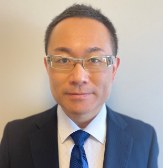
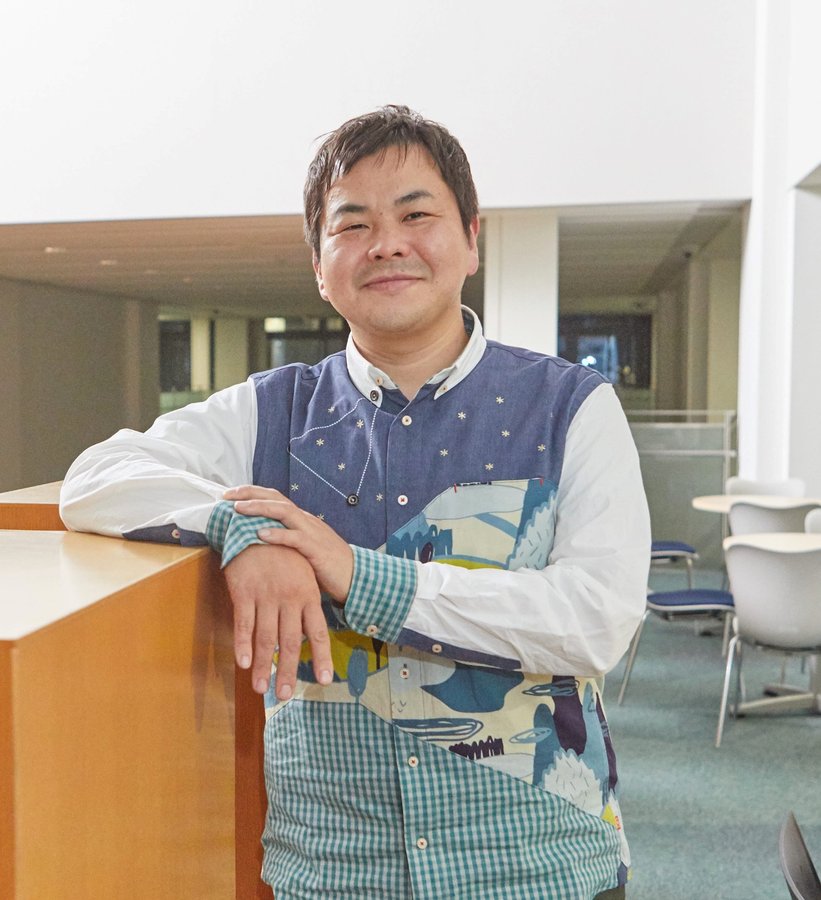
Takanori Yamamoto
山本尚範Project Lead
Head, Department of Emergency and Medical Intensive Care, Nagoya University Hospital. Supervising DMAT physician. Aichi Prefecture Disaster Medical Coordinator.

AIMER · AI FOR MEDICAL EMERGENCY RESPONSE
Information in time to decide.
In the chaos of a disaster, decisions are being made to save one more life.
We connect scattered information and surface the risks not yet seen.
AIMER (AI for Medical Emergency Response) supports life-saving decisions with advanced AI and data.
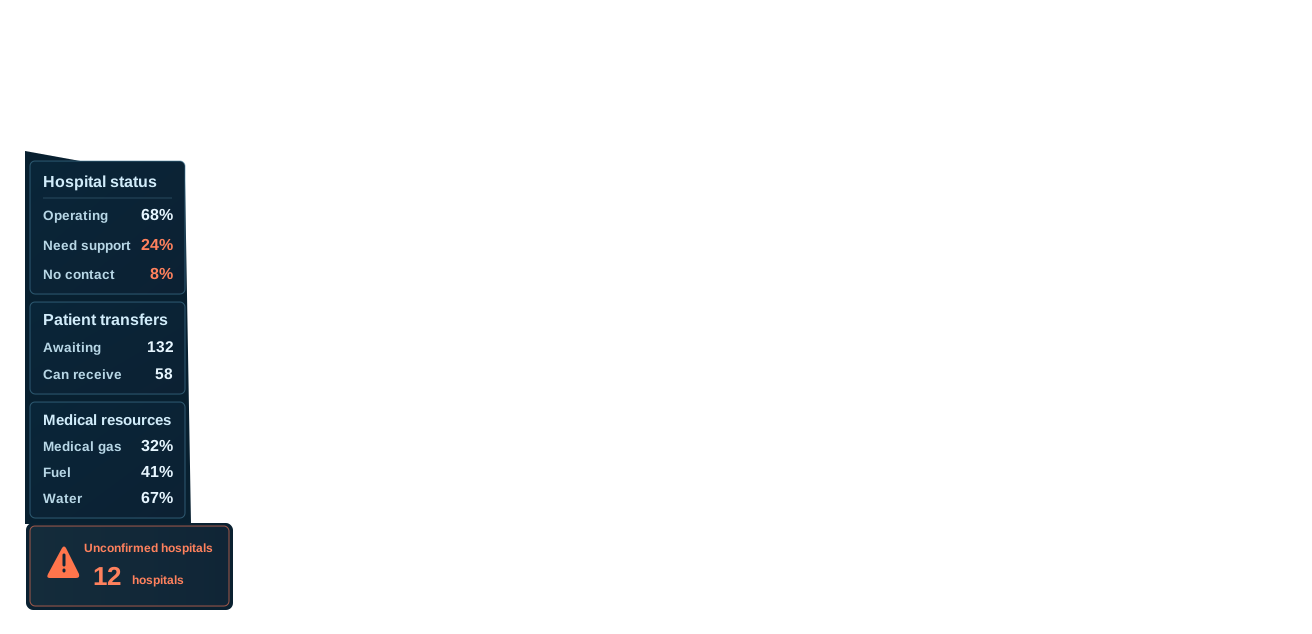
AI-generated concept visual.
The figures on screen are fictional.
Google.org Impact Challenge: AI for Government Innovation 2026Selected project
Official announcement (opens in a new tab)In a disaster medical headquarters, information about hospital status, patient transfers, staffing, fuel and medical gas arrives without pause, and decisions become hard to make. We deliver that information in a form that arrives in time for the decision, so that experts can decide with evidence in hand.
516/ 744 lives
Lives lost after the shaking stopped,
Noto Peninsula earthquake (2024)*1
9channels
Parallel information channels in one disaster response.
Reconciled by hand*2
On the ground, people save lives by improvising.
But improvisation alone does not spread.
AI only gathers and presents the data.
Experts make the decision on what it shows.
*1 "516 / 744" is carried over from the supplied copy (LP v0.2). The reference date, area, scope and original source need to be confirmed. The figure does not represent deaths caused by delayed information, nor the number of lives this AI could save.
*2 "9 channels" follows the count used in the supplied materials: EMIS, D24H, J-SPEED, Join, Google Forms, Google Drive, telephone, fax, and paper or Excel. The actual number of channels varies by site and by how finely they are classified.
*3 The wording and attribution of the quote follow the revised copy supplied to us. Before publishing it as a quotation, confirm the record of the remark and permission to publish.
This project does not end with AI research. Alongside the technology, we work on four more fronts: society, design, people and validation. Together they aim at a system that is actually used, trusted and useful in the field of disaster medicine, and that is carried forward to the next disaster.
2026.10 – 12Technical and field validation. Replay headquarters records from past disasters and test inside exercises.
2027 –Define requirements from the validation results and develop together with the field.
3 YEARSPut it into practice as the system that supports headquarters decisions in the next disaster.
In a disaster, all kinds of unsorted information pours in. Demand for fuel, water and medical gas, and patient transfers: this information is tied to lives. Building on records of past disasters and simulations of future ones, we provide information that is fast and reliable.
Each AI proposal arrives with its evidence, its confidence and the alternatives. Approving, editing or returning it is a human decision. We design for people to decide, not for AI to decide everything. The system coexists with existing systems and adds no new work for the field.
Experts in disaster medicine and AI join forces as one team, work with partners and the practitioner community, and earn the trust of the field. We also invest in developing the next generation, building a sustainable organization alongside the system itself.
We organize the records accumulated in past disasters and the knowledge used in today's exercises into forms that research can use. Wherever possible, we build working relationships with government and medical institutions, so that the system is validated in real exercises and operations, not only on paper.
On the road to real-world use, we give the highest priority to validating effectiveness and evaluating safety. Working with disaster medicine practitioners, we assess where the latest AI technology can contribute, and whether it is effective and safe.
These five objectives are a public-facing paraphrase of the Objectives in the OKRs (Objectives and Key Results) set for the Google.org program. The numerical targets will be tested during validation and compiled in a validation report. Participation in exercises and use of records proceed with the approval of the organizations concerned and ethics review.
An emergency physician who has led medical teams at disaster headquarters, a geospatial researcher who reads disasters through mobile data, a researcher in medical-data governance and AI design, a researcher advancing AI for the public good through human behavior modeling, and a public-sector partner responsible for disaster medicine in Aichi Prefecture.
Project Lead
Head, Department of Emergency and Medical Intensive Care, Nagoya University Hospital. Supervising DMAT physician. Aichi Prefecture Disaster Medical Coordinator.
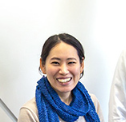
Deputy Project Lead / AI for the public good and human behavior modeling
Visiting Researcher, Center for Spatial Information Science, The University of Tokyo.
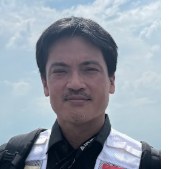
Public-Sector Implementation Partner
Aichi Prefecture Disaster Medical Coordinator. Aichi Medical University. Aichi DMAT.
System Development / AI Agents
Professor, Faculty of Engineering, Reitaku University. CTO, HYPER CUBE Inc.
Geospatial Analysis & Geospatial AI
Vice President and Professor, Reitaku University. Professor Emeritus, The University of Tokyo.
GOOGLE.ORG Support team
Google AI Coach

Google Project Success Manager
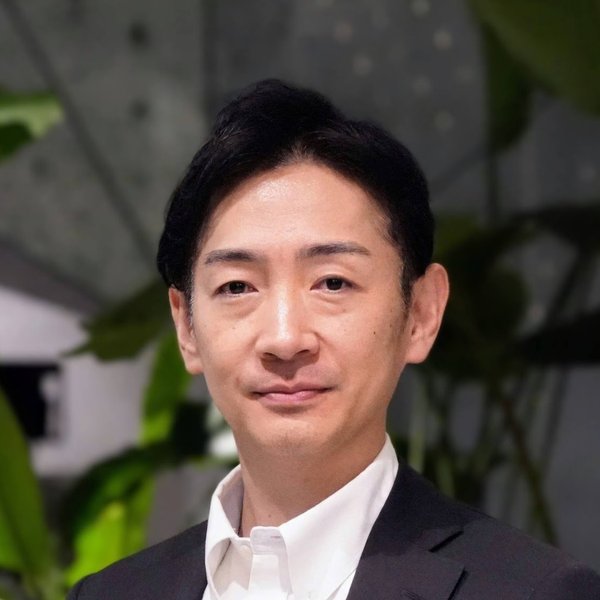
Google Executive Sponsor
Names, titles, roles and photos are based on supplied copy. Confirm the current wording and permission to publish before release.
FROM NAGOYA & AICHI.
TO COMMUNITIES ACROSS JAPAN.
This project starts in Nagoya and Aichi, but large-scale disasters are a challenge for all of Japan.
Working with people in many regions, we want to bring AI that supports disaster medicine, and training for it, into real-world use.
That takes knowledge from the front line of disaster medicine, data and technology of many kinds, and validation in the field.
If the project interests you, please get in touch.
Wherever you are and whatever your role,
let's start with a conversation.
This form is for collaboration, research and media inquiries. It cannot be used to request emergency assistance.
People save lives. Information supports their decisions.
Back to top